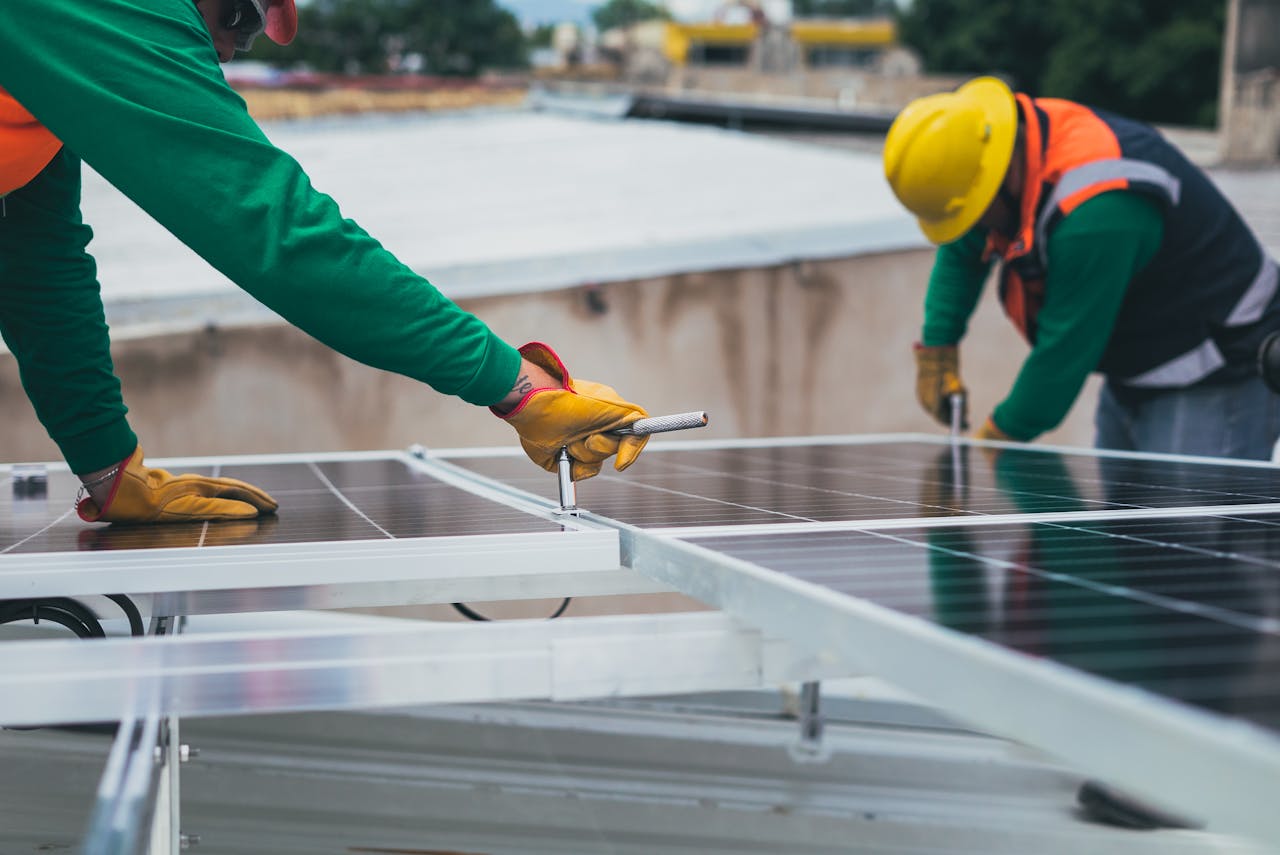
For your home
Stop losing every evening to Yaka outages.
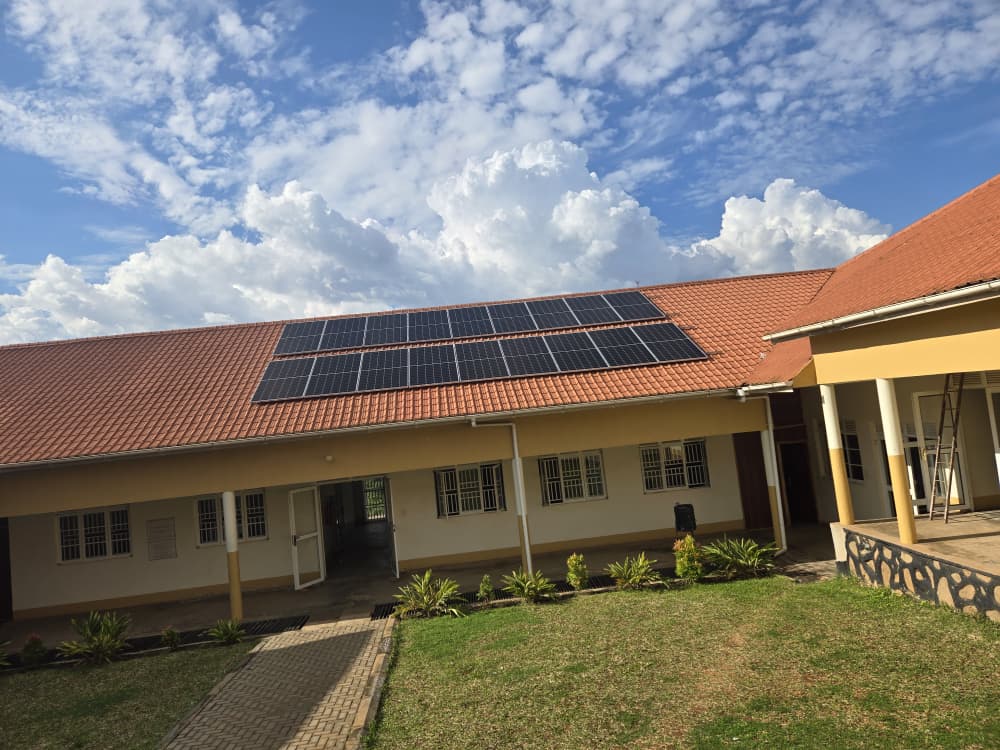
A family in Kira. 3 kVA hybrid + 5.12 kWh LiFePO4. Yaka bill dropped from UGX 220K to UGX 95K.
From UGX 5.5M installed
Solar panels for home Uganda →Hybrid solar, done properly
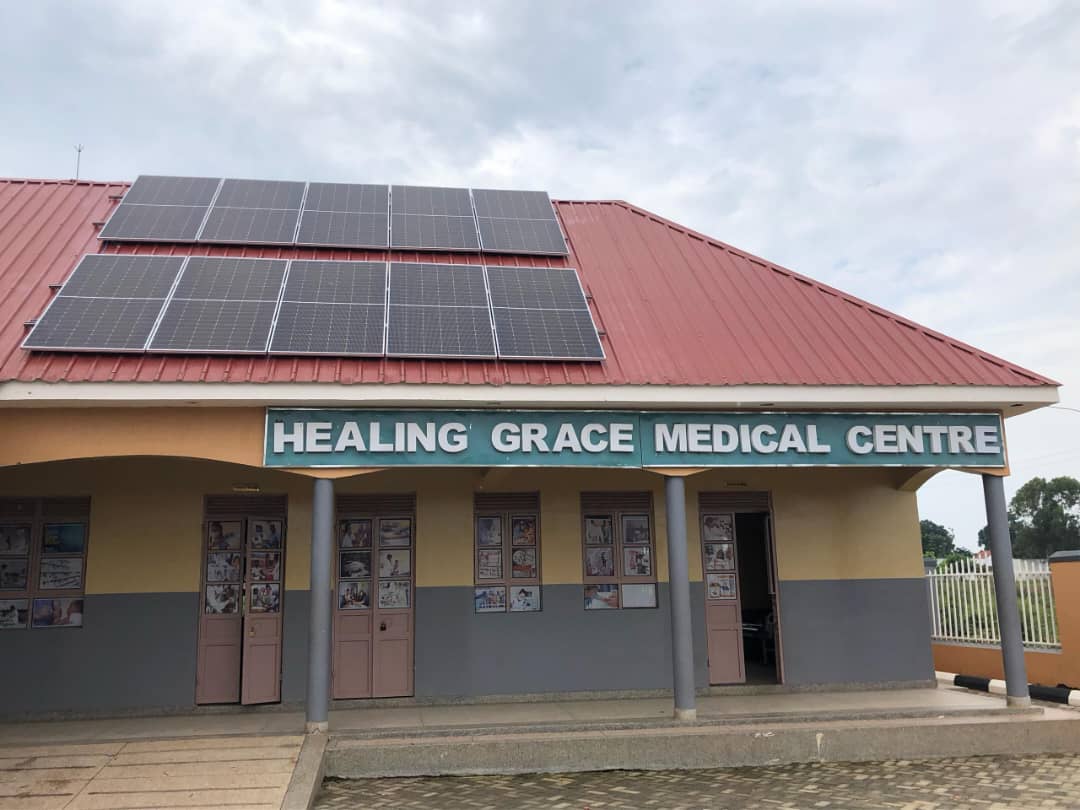
The vaccine fridge never lost a degree.
Diesel UGX 720K/mo → UGX 0
ERA-registered installer · Homes, clinics, schools, farms & business · 180+ hybrid installs since 2024
The vaccine fridge never lost a degree.
Solar installation in Uganda is one half of what we do. The other half is supplying solar panels, hybrid inverters, lithium batteries, water pumps, street lights, CCTV and water heaters — to installers, builders and direct buyers across Uganda. We also commission systems other people installed, repair systems other people broke, and maintain systems that are now in year three, four or five. Home systems start at UGX 5.5M. Commercial systems start at UGX 18M. We are ERA-registered and headquartered in Kampala, with installs in Mukono, Wakiso, Jinja, Mbarara, Gulu, Bushenyi and beyond.
60-second estimate
Three taps. No forms, no email. Your numbers go straight to an engineer on WhatsApp.
UGX 200,000
That's about UGX 2,400,000 a year.
Indicative system size
Indicative only — your final quote is sized from a real load assessment at your site.
Get My Custom Quote on WhatsAppTell us your average monthly UMEME bill and what the power runs, and an engineer will size a solar system for it.
Get a QuoteA different problem in every sector. The same approach.
Stop losing every evening to Yaka outages.
A family in Kira. 3 kVA hybrid + 5.12 kWh LiFePO4. Yaka bill dropped from UGX 220K to UGX 95K.
From UGX 5.5M installed
Solar panels for home Uganda →Stop risking the vaccine fridge every time the grid drops.
A clinic admin in Mukono. 5 kVA hybrid + 9.6 kWh LiFePO4. 14 months, zero cold-chain breaks.
From UGX 12M installed
Solar for clinics Uganda →Stop running the diesel generator on exam week.
A boarding school in Wakiso. 15 kVA hybrid + 30 kWh LiFePO4. Diesel UGX 1.8M/month → under UGX 100K.
From UGX 15M installed
Solar for schools Uganda →Stop closing early because the generator went off.
A hardware shop in Mbarara. 10 kVA hybrid + 14 kWh LiFePO4. Diesel UGX 480K/month → UGX 50K.
From UGX 18M installed
Commercial solar Uganda →Stop paying for diesel just to fill the tank.
A 6-acre farm in Bushenyi. 1.5 kW direct-DC pump. Fuel bill UGX 380K/month → zero.
From UGX 3.5M installed
Solar water pump Uganda →Real Ugandan businesses. Real monthly diesel spend. Solar pays for itself in months, then keeps running for 15 years.
Supermarket
Before solarUGX 3.8Mon diesel / month
After solarUGX 0diesel cost
Payback: 18–24 months
Pharmacy
Before solarUGX 1.2Mon diesel / month
After solarUGX 0diesel cost
Payback: 14–20 months
Salon
Before solarUGX 600Kon diesel / month
After solarUGX 0diesel cost
Payback: 18–30 months
Most solar companies do one of these well. We are built for all four — because Ugandan systems need all four.
We design and install hybrid solar systems sized to your real measured load — not a brochure. Lithium batteries, hybrid inverters, proper earthing, ERA-compliant commissioning at handover.
Installation services →Tier-1 solar panels, hybrid inverters, LiFePO4 batteries, water pumps, street lights, CCTV and water heaters — supplied to installers, NGOs and direct buyers across Uganda.
Products we supply →Root-cause diagnosis on any solar system in Uganda, not just our own. Wrong inverter settings, missing earthing, dying batteries, abandoned commissioning — we write the fault report first, then fix.
Solar repair Uganda →Scheduled maintenance contracts that include systems we did not install. Annual inspection, battery health, panel cleaning, inverter firmware, priority fault response. The reason year-five systems still work.
Solar maintenance Uganda →Available now in Kampala. We ship across Uganda. Supply-only or supply-and-install — your choice.
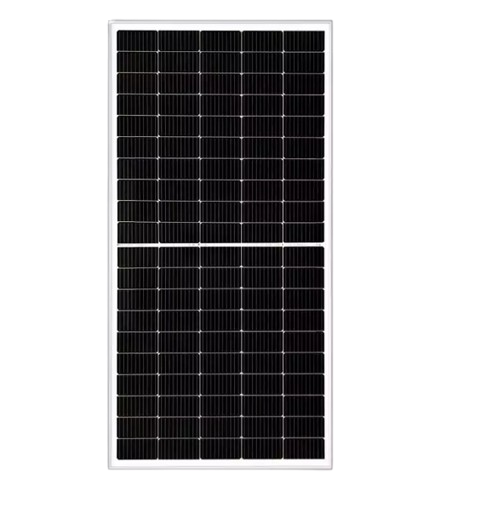
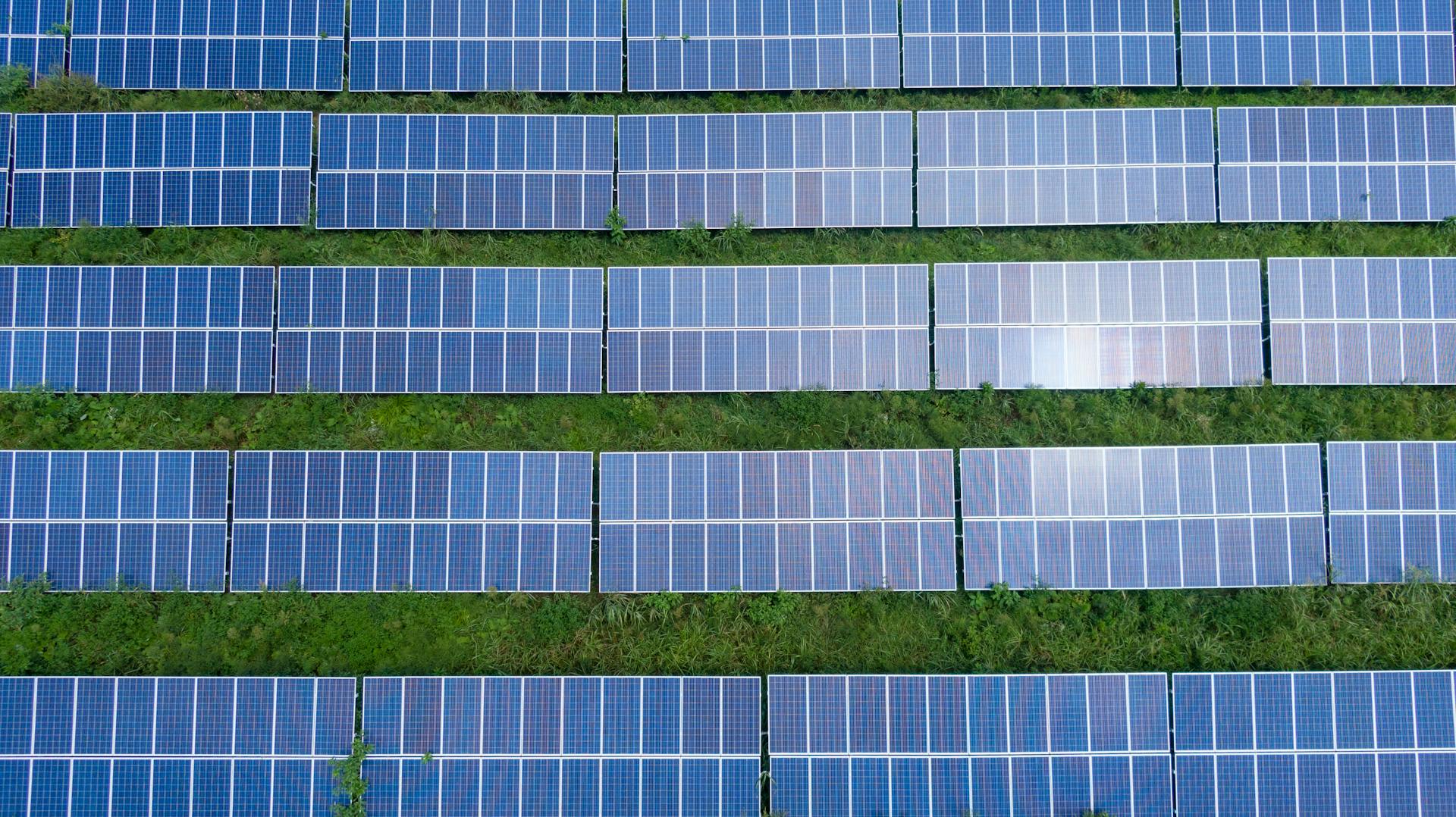
Monocrystalline Tier-1, 550–600W modules. 25-year performance warranty.
Request pricing →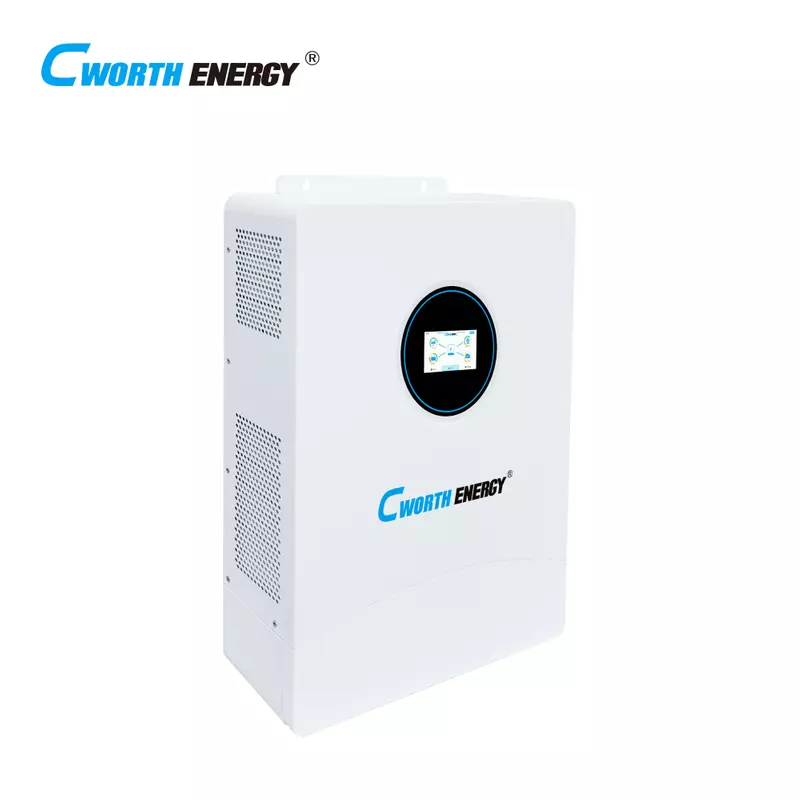
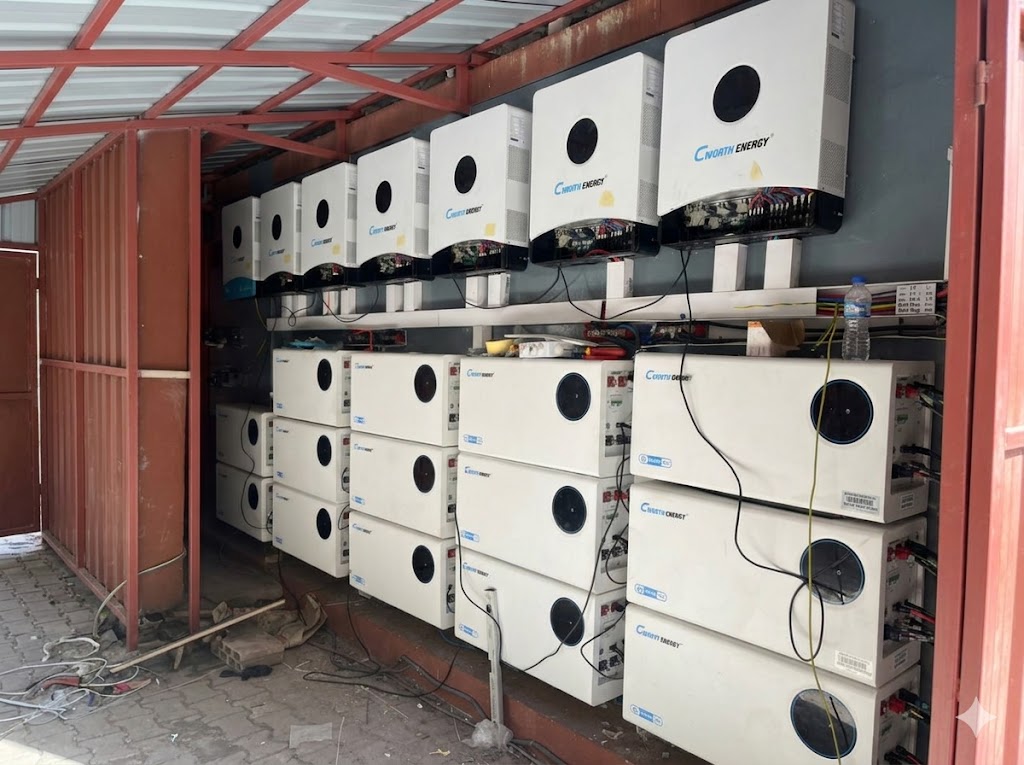
Hybrid inverters: Deye, Victron, Felicity, Growatt, Cworth. 3–25 kVA single & three-phase.
Request pricing →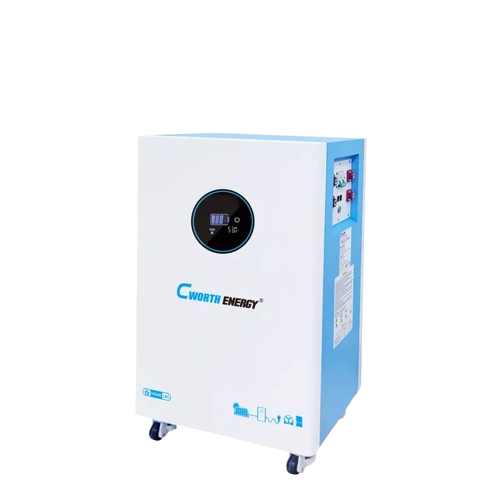
LiFePO4 48V, 5–30 kWh. 8–12 year lifespan, 6,000+ cycles, built for Uganda's heat.
Request pricing →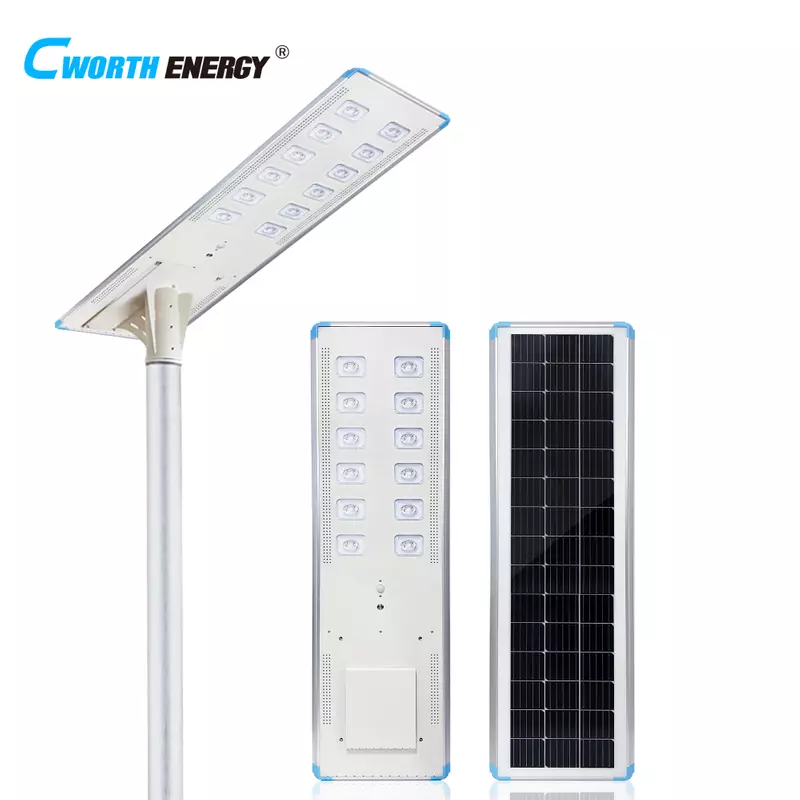
All-in-one and split designs, 30W–200W. For estates, compounds, schools, roads.
Request pricing →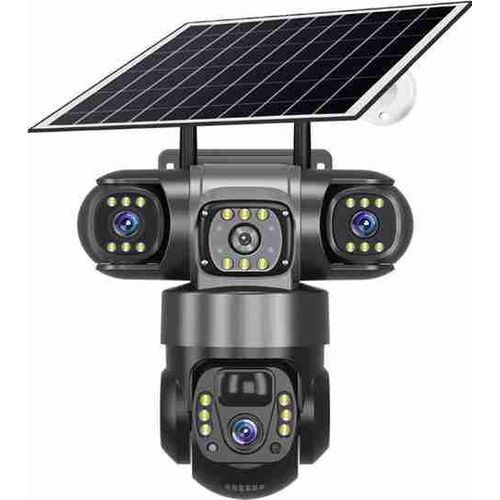
Standalone solar-powered surveillance. 4G/Wi-Fi connected, no grid required.
Request pricing →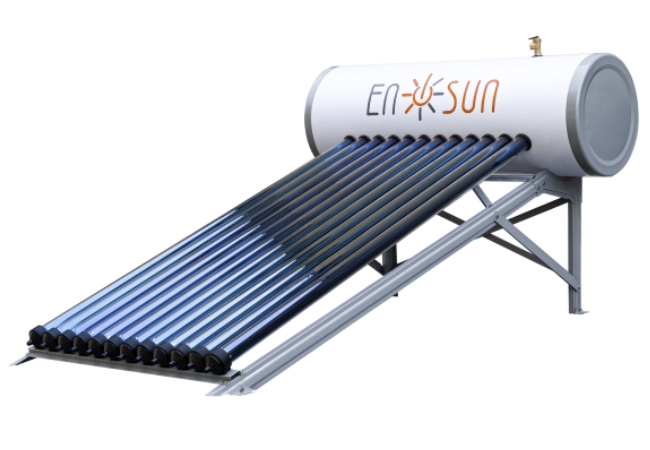
Pressurised & non-pressurised, 100–300L. For homes, clinics, lodges, salons.
Request pricing →Direct-DC and AC pumps, 0.5–10 kW. Borehole, surface, irrigation. With float-switch.
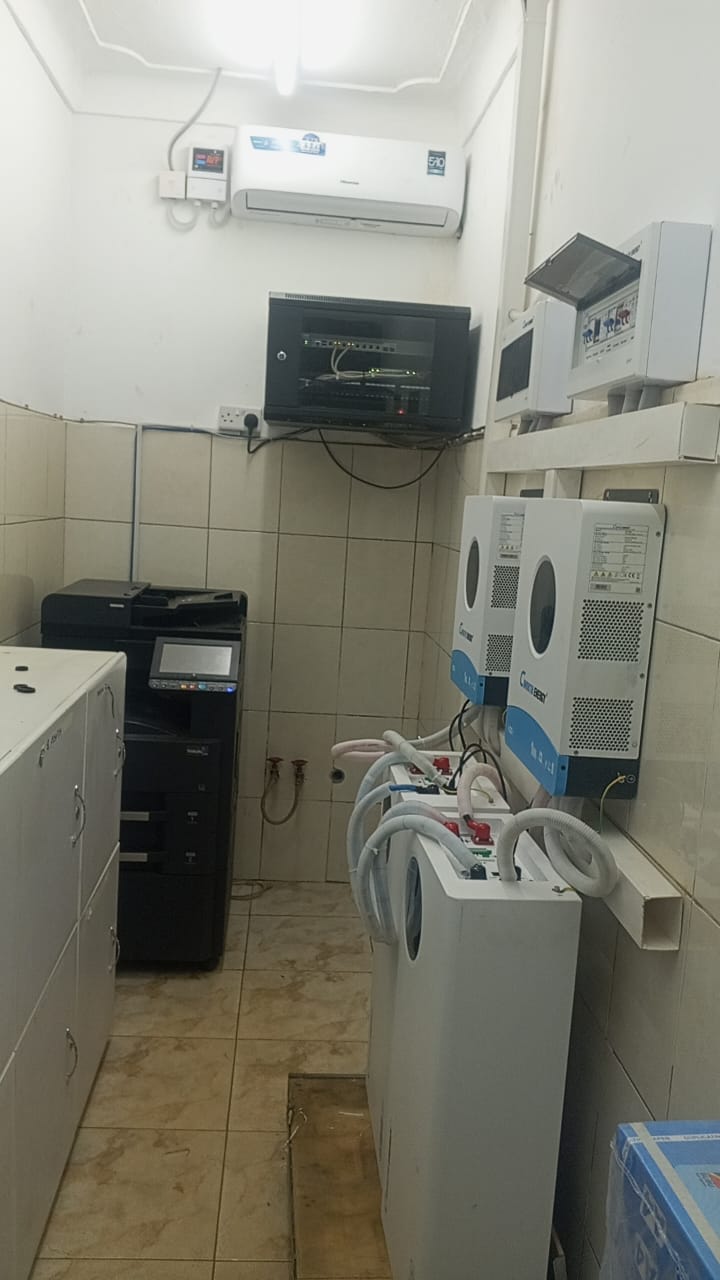
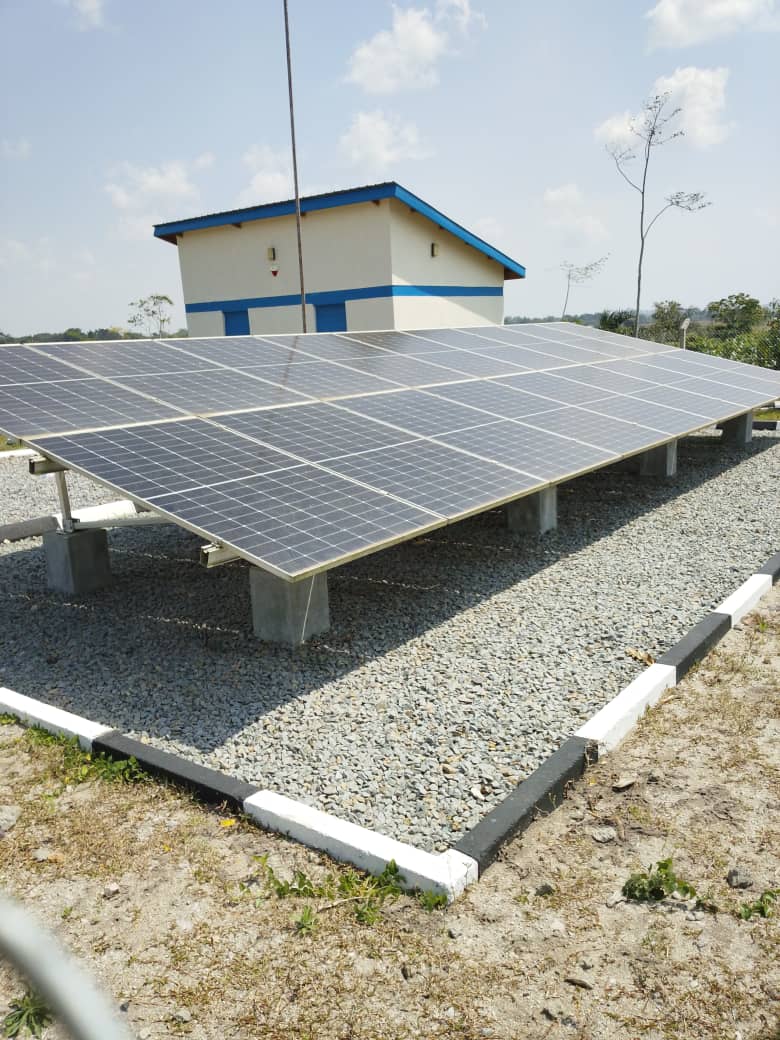
Request pricing →A selection of hybrid solar systems commissioned across Uganda. Every one includes a signed settings sheet at handover.
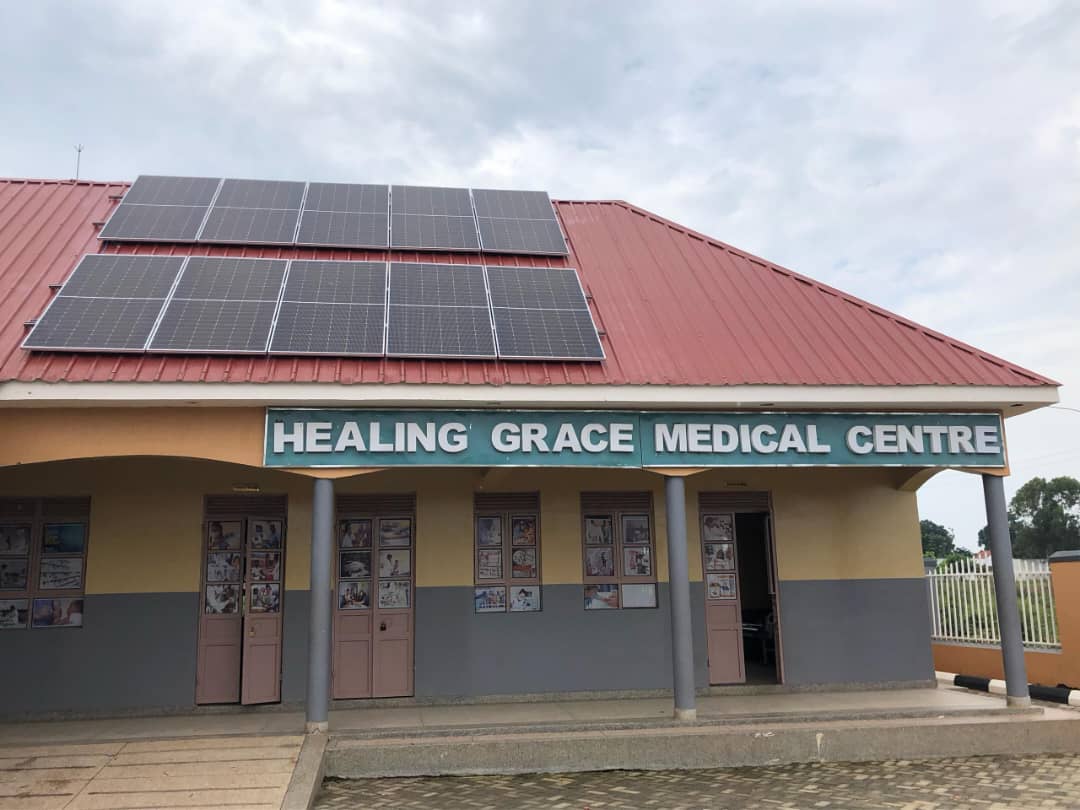
Clinic · 6kVA hybrid inverter
Clinic Cold-Chain Hybrid
15kWh lithium bank · Dedicated vaccine refrigerator circuit · Critical-load isolation & labelling
Zero cold-chain loss since commissioning. No generator needed to hold fridge temperatures through outages.
Institutional · 12kVA hybrid inverter
Kijani Forestry · Gulu
20kWh lithium battery bank · Field office & seedling facility · Remote-monitoring enabled
Full autonomy for a remote-site operation. Commissioned and monitored from Kampala.
Commercial · 20kVA 3-phase hybrid inverter
20kVA · 40kWh C&I Hybrid
40kWh lithium storage · Large critical-load facility · As-built drawings & maintenance SLA
Generator runtime reduced by over 70%. Full as-built documentation delivered for audit compliance.
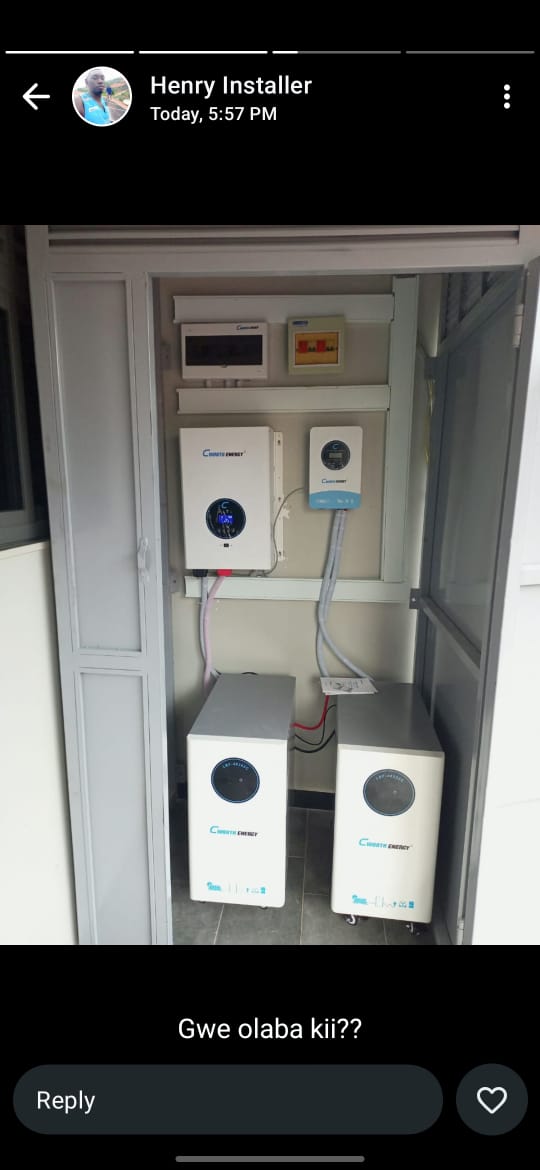
Residential · 10kVA hybrid inverter
10kVA · 30kWh Large Home
30kWh lithium storage · Whole-home coverage including AC · Grounding verified & protection installed
Full-home backup with multi-day autonomy. Commissioned with measured load profile — not brochure numbers.
Four problems run through almost every system we are called to repair. The fix is not exotic. It is just the work most installers skip.
Most quotes count running watts. They forget compressor startup surge, simultaneous loads, and cloudy-day reserve. The system runs fine the first month. Then summer comes and the inverter trips.
What we do: measure the actual load on site, calculate startup surge, and size the inverter for the worst case — not the average.
Hybrid inverters ship with generic battery profiles. If nobody changes them to match your specific LiFePO4 bank, the battery is undercharged or overcharged. Lifespan drops from 12 years to 4.
What we do: program every parameter to the battery datasheet, hand you a signed settings sheet at commissioning, and keep a copy on file.
No earth rod, no surge protection, no bonding between AC and DC sides. The first electrical storm fries the inverter. It looks like a hardware failure. It was preventable.
What we do: install a proper earth electrode, surge protection on both DC and AC, test resistance, and document it.
The installer takes the cheque and stops answering the phone. Year two, something needs adjusting and there's no one to call. The system slowly degrades through neglect.
What we do: stay reachable on WhatsApp for the life of the system. Maintenance contracts are optional — being reachable is not.
If your current solar system has any of these, talk to us. We work on systems we did not install. Read about solar repair Uganda →
The engineer who quotes is the engineer who installs. Send "Hello, I'm thinking about solar." That's enough — we take it from there.
Send a WhatsApp. Tell us where you are and what you want to keep running. Reply is fast — same day, almost always sooner.
Today
An engineer visits, measures the actual load, photographs the panel and earth, and confirms what you need. Free for sites in Greater Kampala; travel itemised elsewhere.
Within the same week
A written quote with brand names, model numbers, UGX line by line. No hidden extras. We walk you through it on WhatsApp.
Within days
We install, properly earth, program the inverter to your battery spec, test, and hand you a signed settings sheet. Then we stay reachable for the life of the system.
Two to four weeks
Real customers. Real towns. Surnames shortened for privacy.
"They sized the system to our actual fridge load, not a brochure. Two blackouts last month — we didn't lose a single vial."
"Inverter settings sheet was in the handover pack. When we had a question six months later, they picked up."
"Quiet install. Neat trunking. They explained what each breaker does. That's why we recommended them to two neighbours."
A 1–3 kVA home system runs UGX 4–10 million. A 5–10 kVA business or clinic system runs UGX 15–40 million. Large commercial (15 kVA+) starts at UGX 50 million. Every quote is itemised after a real load measurement, not a guess from a price list. See the full Uganda solar cost guide →
Yes — and it is a large part of what we do. We assess the system, give you a written fault report, and fix the actual problem. We have no incentive to replace equipment that does not need replacing. Solar repair Uganda →
For businesses running daytime loads — yes, significantly. A medium supermarket can spend UGX 3–4 million a month on diesel alone. A properly sized solar hybrid pays back in 18–24 months and keeps running for 15+ years. For homes, a hybrid cuts the Yaka bill by 50–70% while removing outage disruption.
Three things protect you: an itemised quote with brand names and model numbers, a written commissioning report at handover, and a company that answers the phone after the install. NilePhase uses Deye, Victron, Felicity, Growatt, Cworth and named LiFePO4 cells — documented on every job.
We are headquartered in Kampala and install across Uganda. Regular work in Kampala, Mukono, Wakiso, Jinja, Mbarara, Bushenyi, Gulu, Mbale, Entebbe and Masaka. For sites outside Greater Kampala we schedule a site visit first, include travel and accommodation in the itemised quote, and commission on site before we leave.
Every install ships with a handover pack listing the inverter model, firmware version and configured settings — any fault can be diagnosed quickly. Inside the manufacturer warranty (typically 5–10 years) we handle the claim, swap and reconfiguration. Out of warranty, we give an honest fault report. Most failures are configuration, earthing or battery issues — a repair is far cheaper than a replacement.
Yes. Generator integration is standard on our commercial installs and common on larger homes. The hybrid inverter prioritises solar, then battery, then generator — so the generator only starts when it is genuinely needed.
We supply Tier-1 solar panels, hybrid inverters, LiFePO4 lithium batteries, solar water pumps, solar street lights, solar CCTV systems and solar water heaters — to other installers, builders, NGOs and direct buyers across Uganda. Supply-only orders include a commissioning checklist so the system is installed correctly even when we do not install it ourselves.
Panels: 20–25 years. Hybrid inverter: 8–12 years. LiFePO4 lithium batteries: 8–12 years at 80%+ depth-of-discharge cycling. Most early failures are configuration or earthing problems — avoidable with proper commissioning.
Tell Engineer Rory where you are and what you want to keep running. That is the start of a real quote.